
iGEM
The iGEM (International Genetically Engineered Machine) Competition is an annual international synthetic biology competition for high school and university students. Teams use biology and engineering to design, build, and test solutions to real-world problems, including challenges in health, agriculture, and the environment. The competition encourages teamwork, creativity, and responsible scientific research. At the end of the competition, teams present their projects to judges and the global scientific community at the Grand Jamboree.
Releaf: A Stress-Responsive Optogenetic Bioreactor for Precision Plant Protection
Producing the right biological compound, at the right time, at the right amount has traditionally required either expensive infrastructure or constant human oversight. Releaf is a closed-loop biological manufacturing platform built around engineered Bacillus subtilis that couples real-time environmental sensing directly to microbial production. The bacteria manufacture and secrete targeted biological protectants on-site and on-demand, delivered through a membrane for controlled release. The result is a programmable living factory where output tracks need, offering a more adaptive and decentralized approach to biological manufacturing for climate-resilient agriculture.
Our Project Overview

Gems-Taiwan #6072
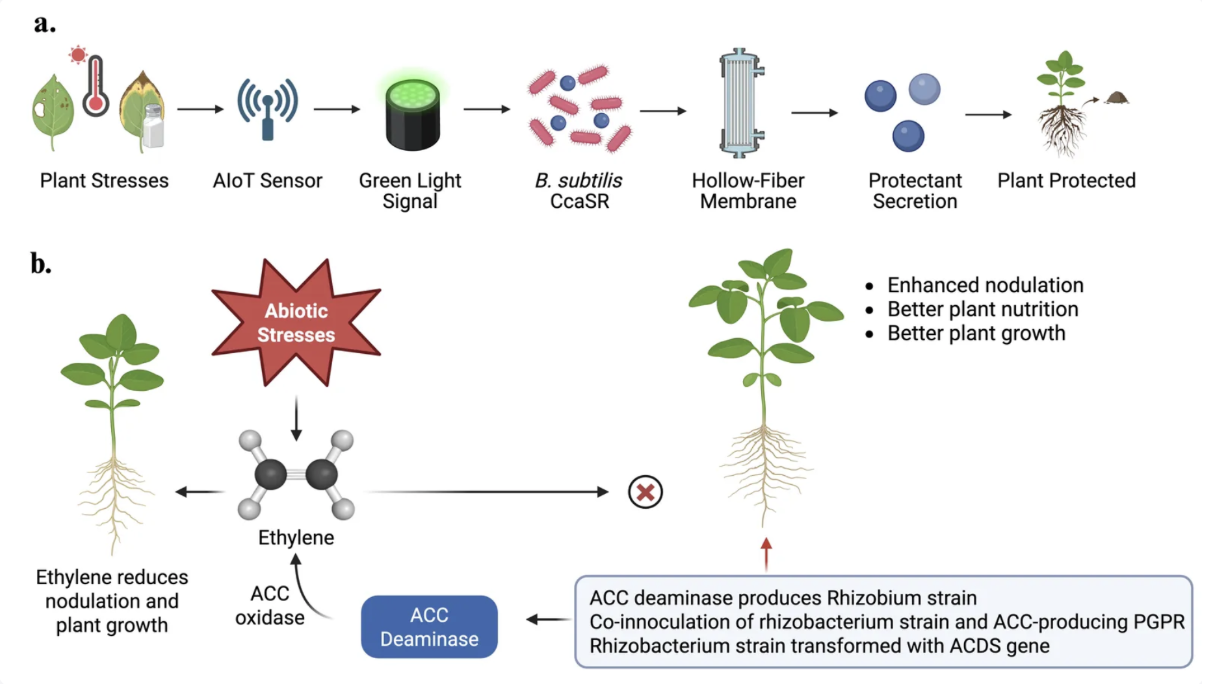
Our project overview
Gene Design
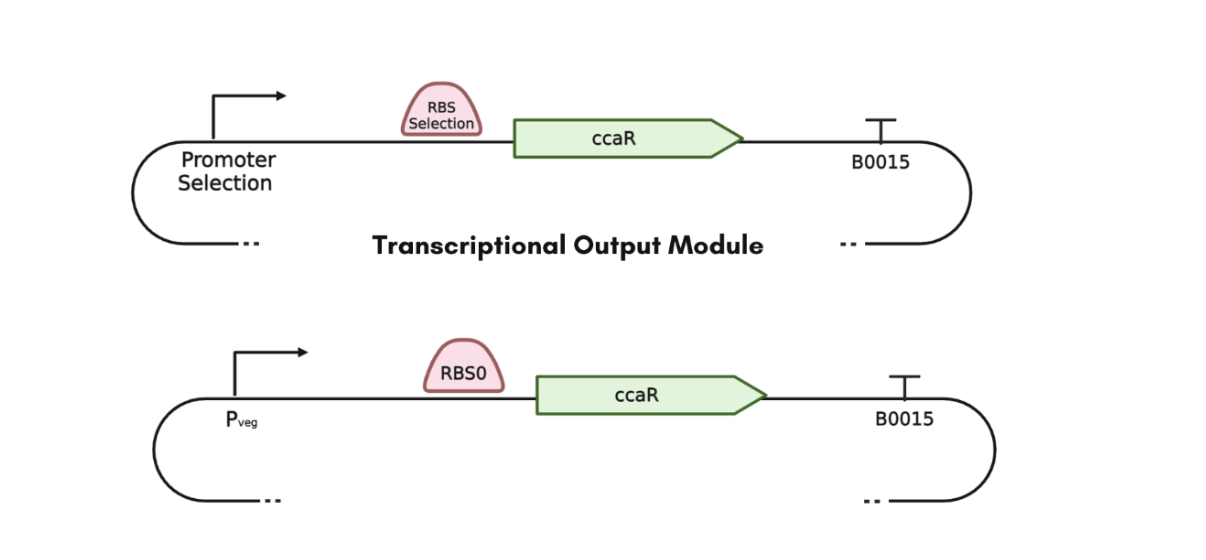
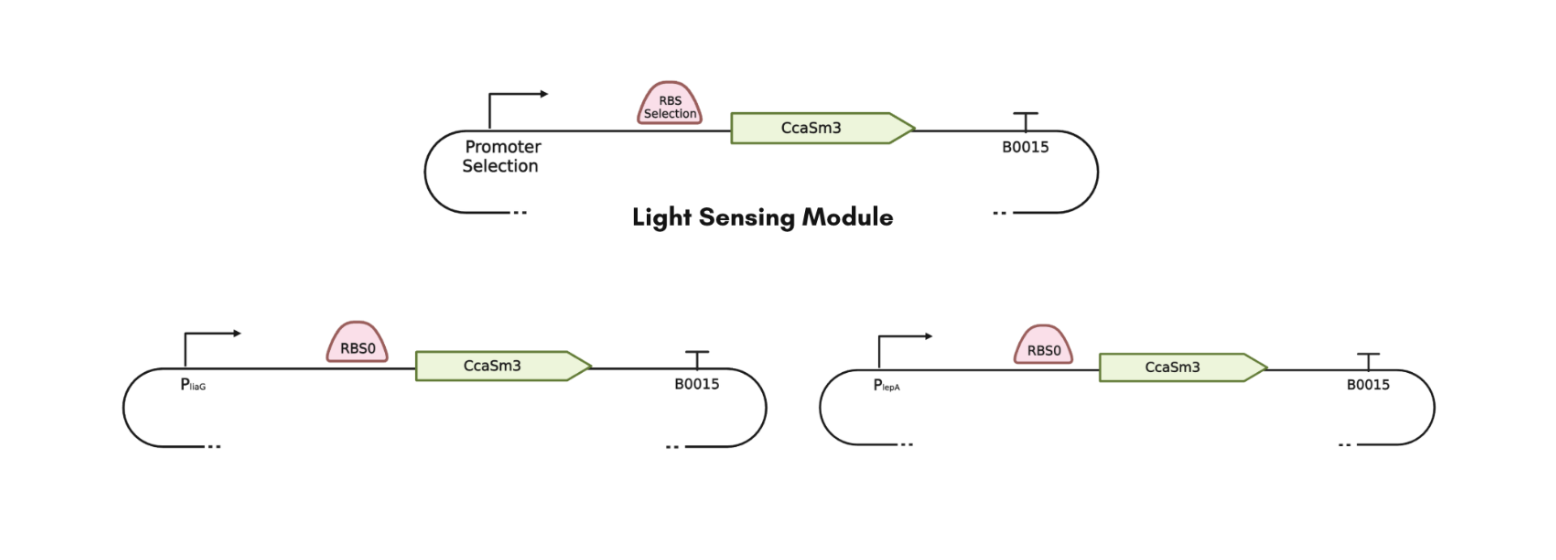
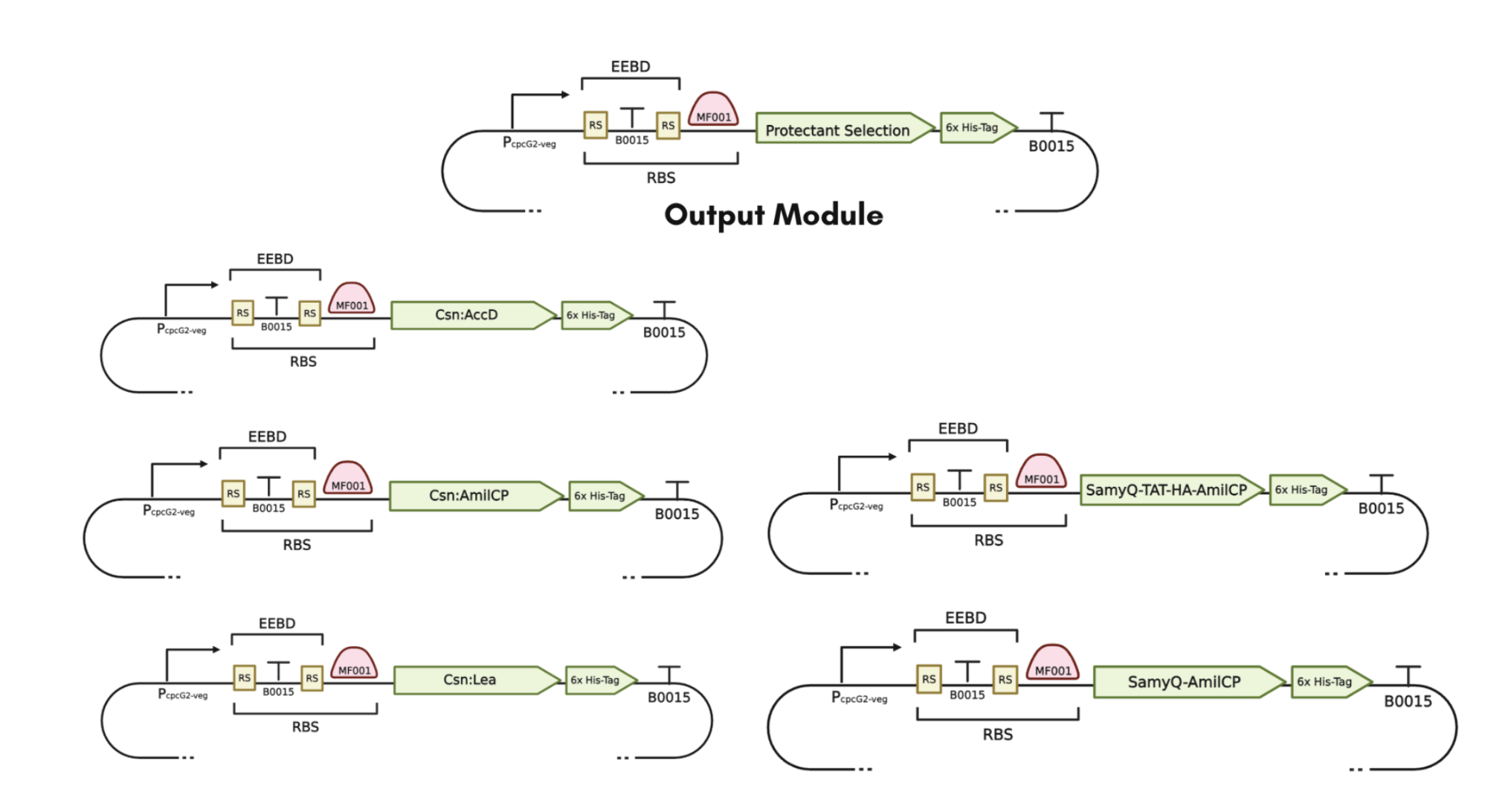
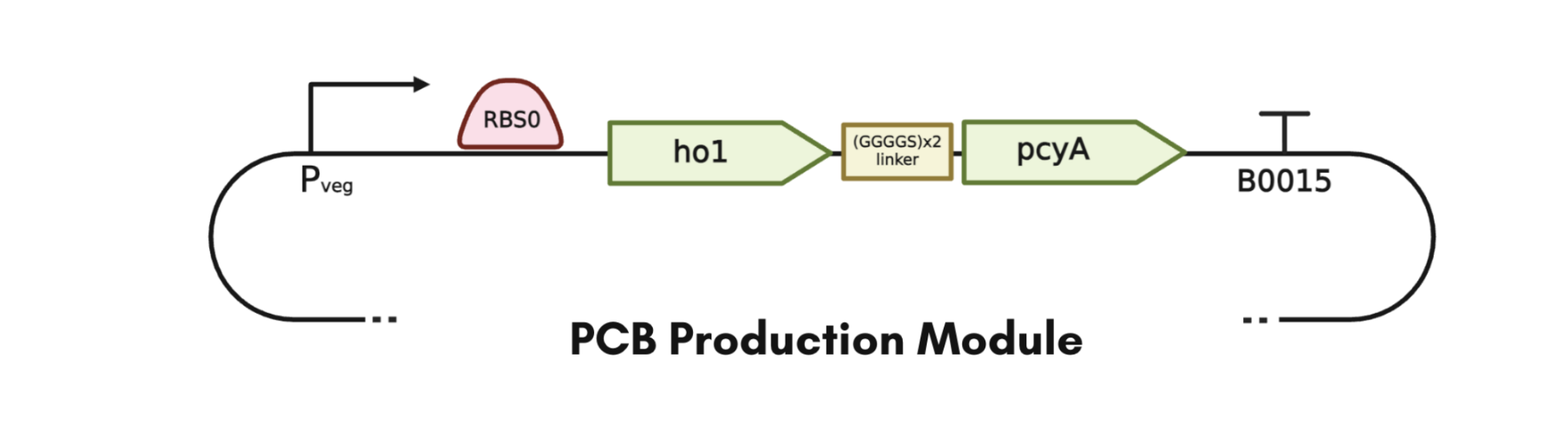
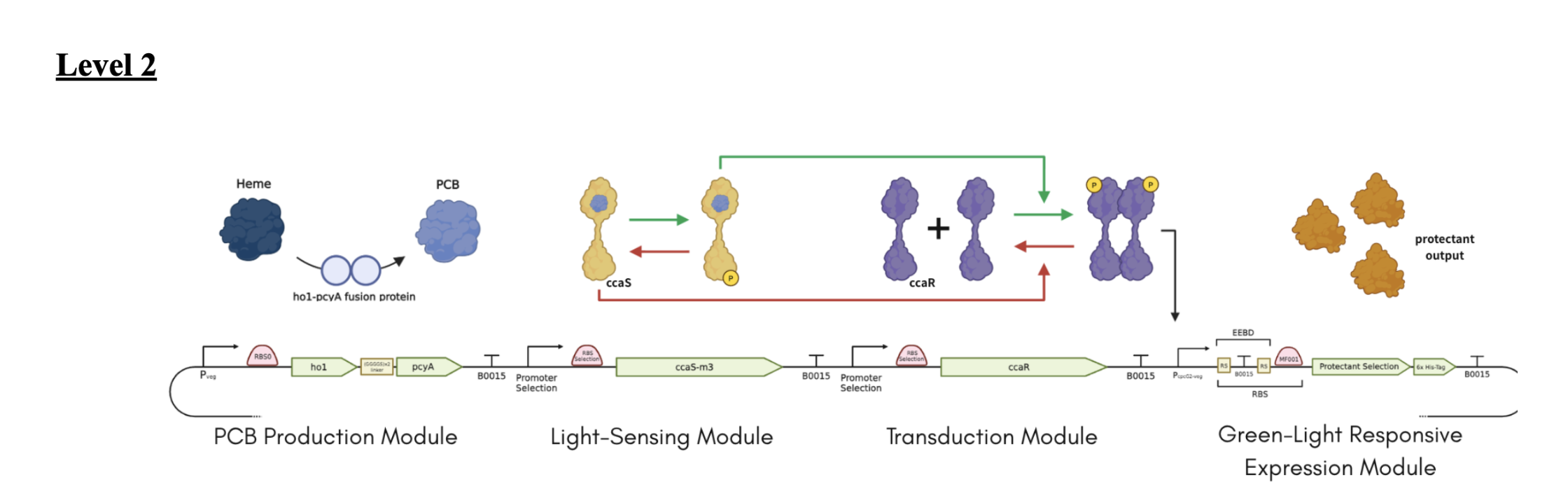
Parts is our collection of thirty-two entries in five modules: a green-light switch in Bacillus subtilis with a secreted plant protectant behind it.
Three contested assemblies are named. Eighteen of the thirty-two entries are new this year, eight come from the SubtiToolKit and six reuse one of five distinct Registry accessions. Six entries are designs with no bench step recorded, two of them codon-optimised peptides confirmed at Level 0. The Level 2 join gave three clones with bands at all three junctions on 19 September, junction-checked and not sequenced. No part is characterised for light response: no induction curve, no dose response, no dark control.
Gene design using SnapGene involves planning and visualizing DNA sequences to create a genetic construct. It helps organize parts such as promoters, ribosome binding sites, coding sequences, and terminators within a plasmid. By checking their positions, directions, and restriction enzyme sites, researchers can identify potential design problems and prepare the construct for cloning and laboratory experiments.
Lab Work
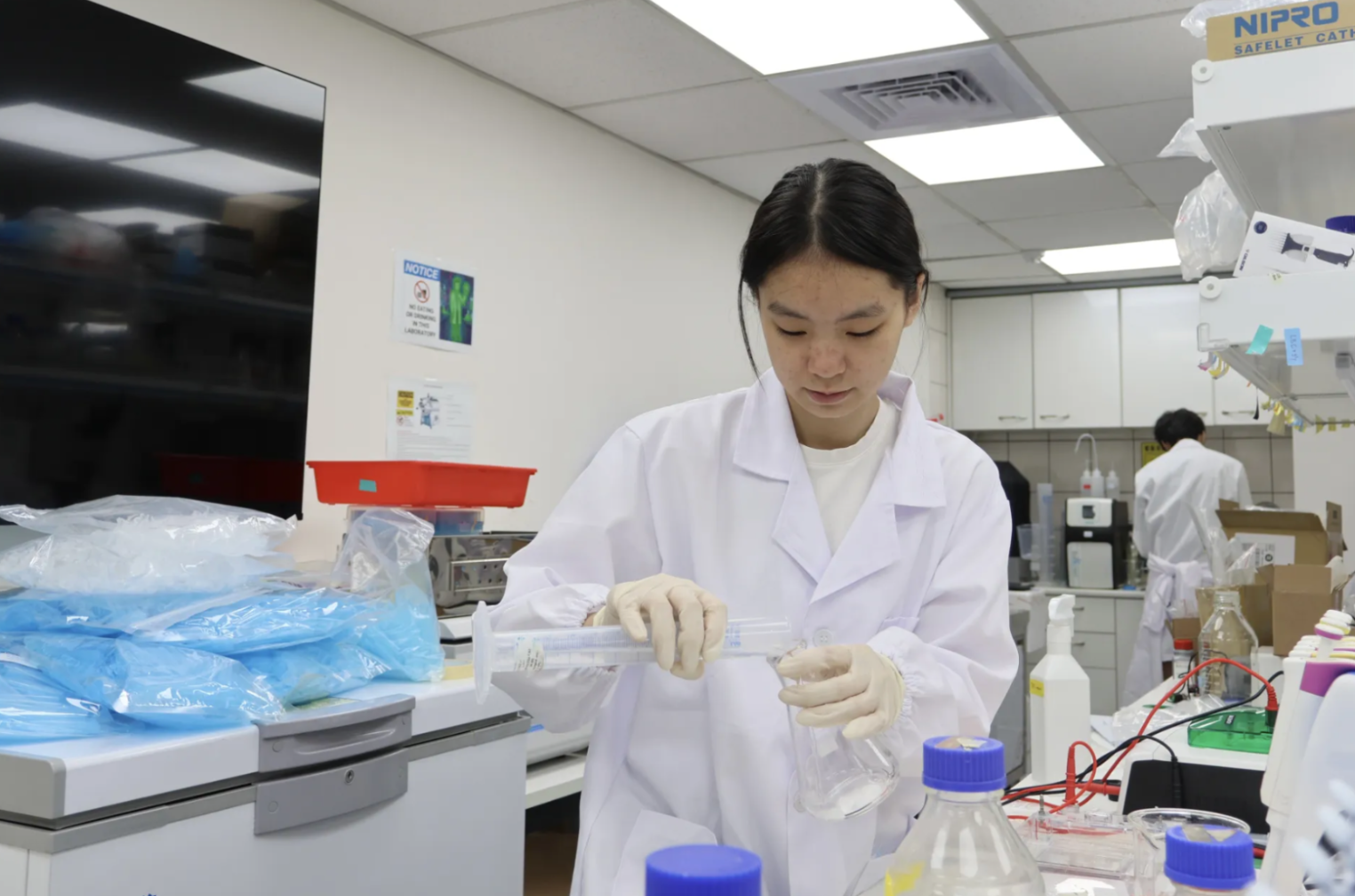
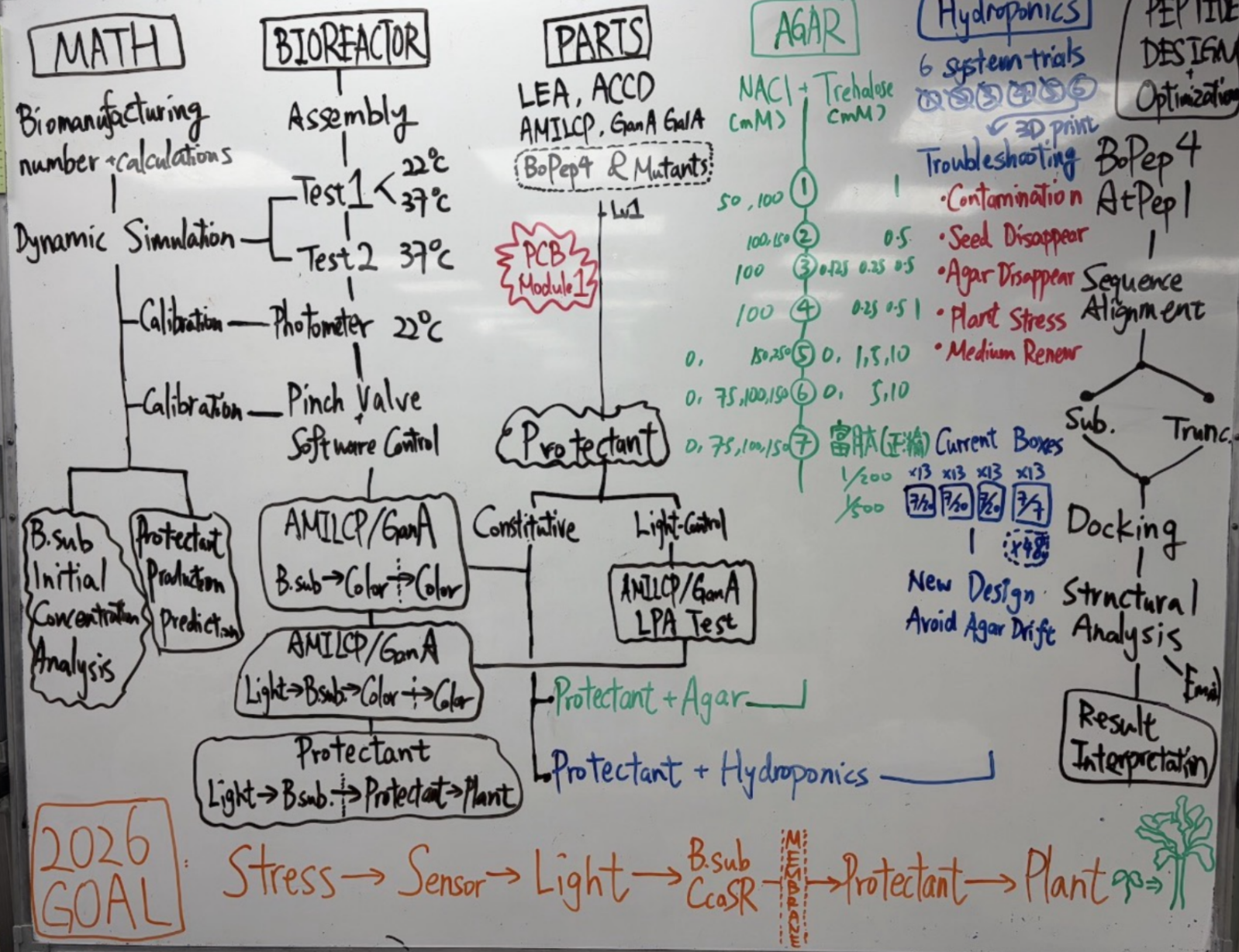
I spent almost 200 hours in the lab as part of my iGEM team, performing PCR, gel electrophoresis, bacterial transformation, and DNA assembly. I also recorded experimental results and worked with teammates to troubleshoot problems while developing our synthetic biology project.
I spent nearly every weekend and holiday working with my teammates to move our iGEM project forward. Together, we conducted experiments, discussed our business plan, planned educational activities, and wrote content for our team wiki. These experiences taught me how to collaborate, balance different responsibilities, and stay committed to a shared goal.
Education
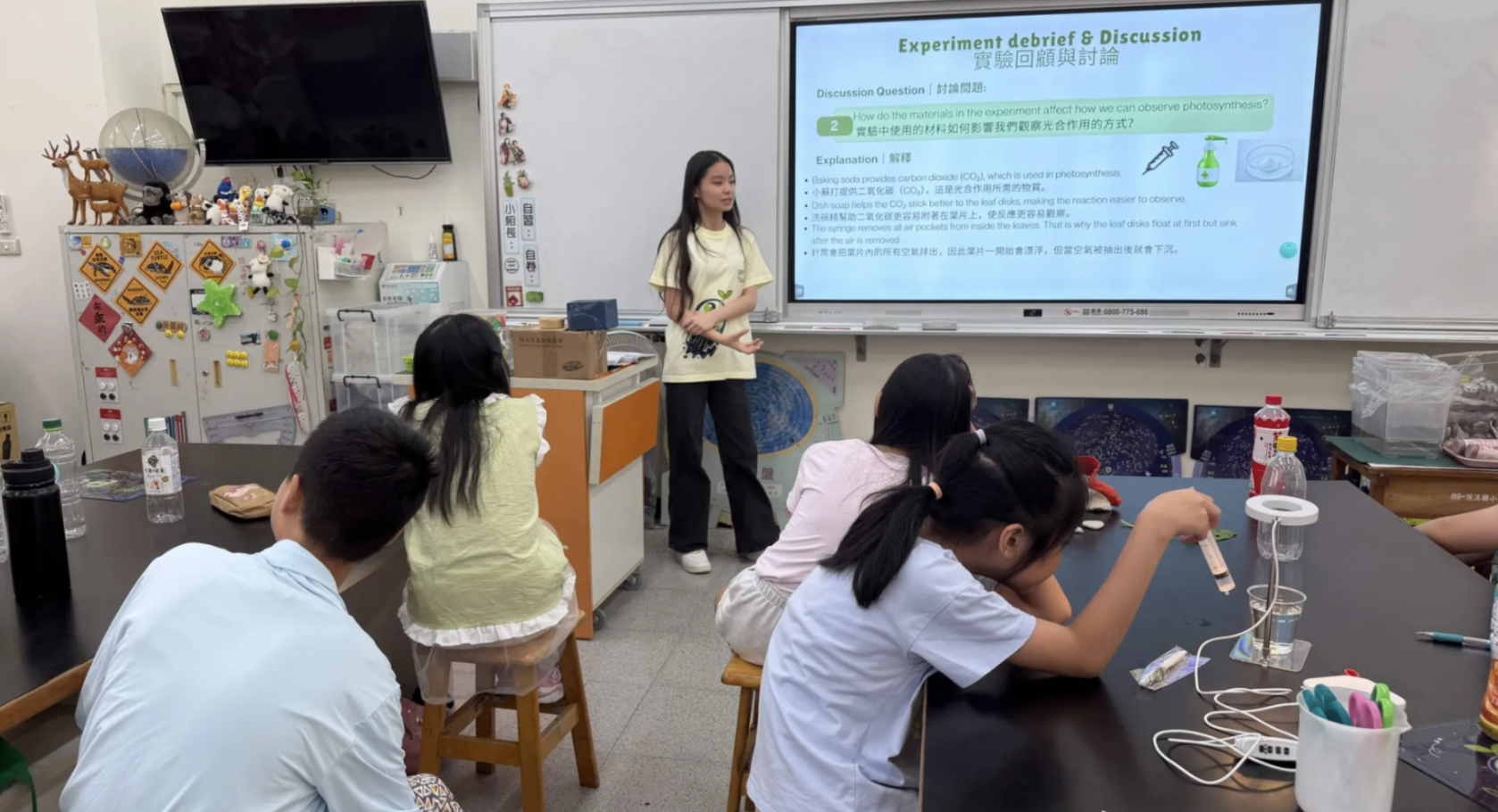
Our education program focuses on helping students understand plant stress, climate change, sustainability, and synthetic biology through hands-on activities and interactive learning.
Rather than only talking about the advantages of synthetic biology, we included debates as part of the lesson itself. Across our four trials, we continuously adjusted and improved our workshop based on real-time feedback from students and teachers. DNA base-pairing remained the toughest concept to land. Teachers can easily integrate these materials into their existing curriculum without needing prior expertise in synthetic biology. All three teachers who took the survey indicated they would be willing to continue participating in or supporting the program in the future.
Outreach
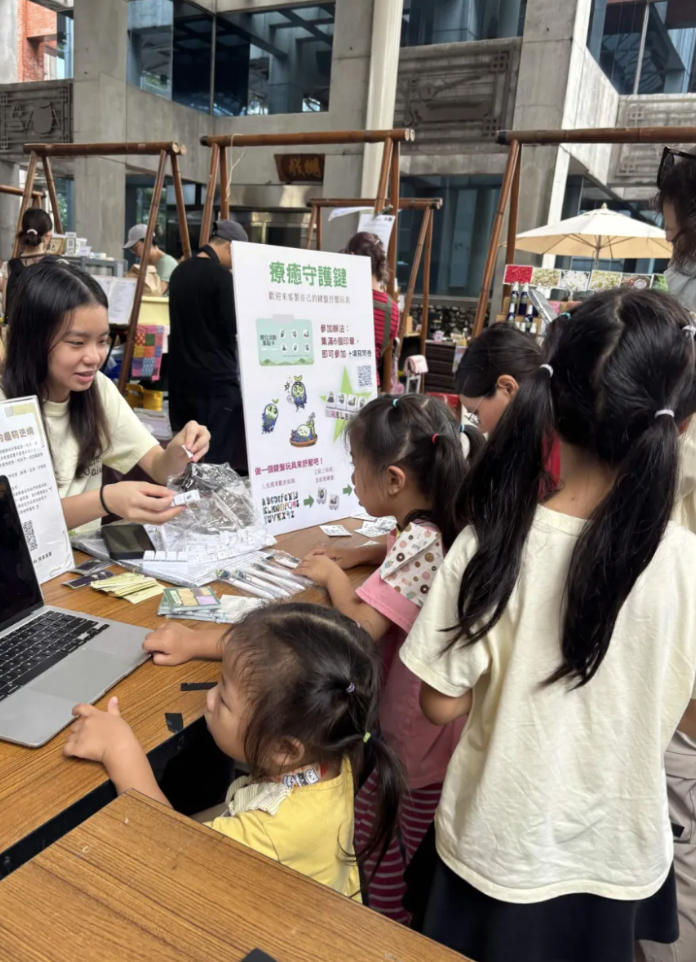
Our team consulted professors and company representatives through more than 20 visits to discuss our project’s feasibility and evaluate our experimental design. Their feedback helped us refine our research approach and better understand its practical applications. We also organized a public event to introduce our project to a wider audience and raise awareness of synthetic biology.