
The Caffeine & Waxworm
Seeing classmates rely on caffeine to cope with academic pressure made me curious about how these everyday drinks affect living organisms.
Motivation
Caffeinated drinks—coffee, tea, and energy drinks—are everywhere. During midterm and final exam season at my school, many classmates carry coffee to stay awake and focused. Watching them, I kept wondering: how does caffeine affect living organisms, and does the amount consumed make a difference?
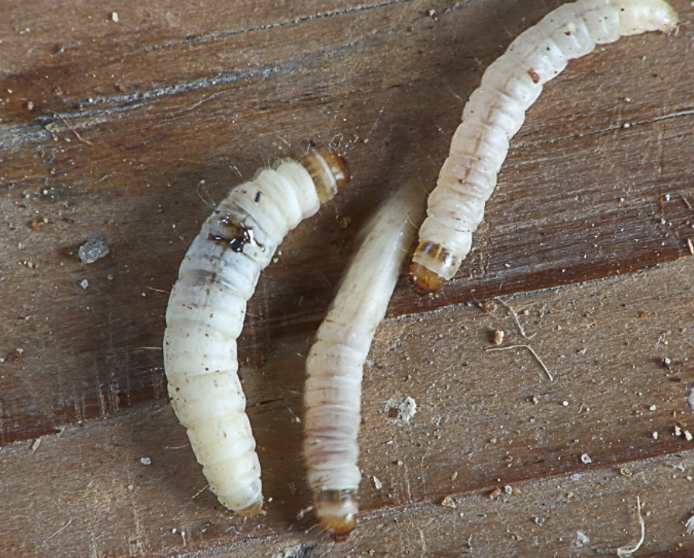
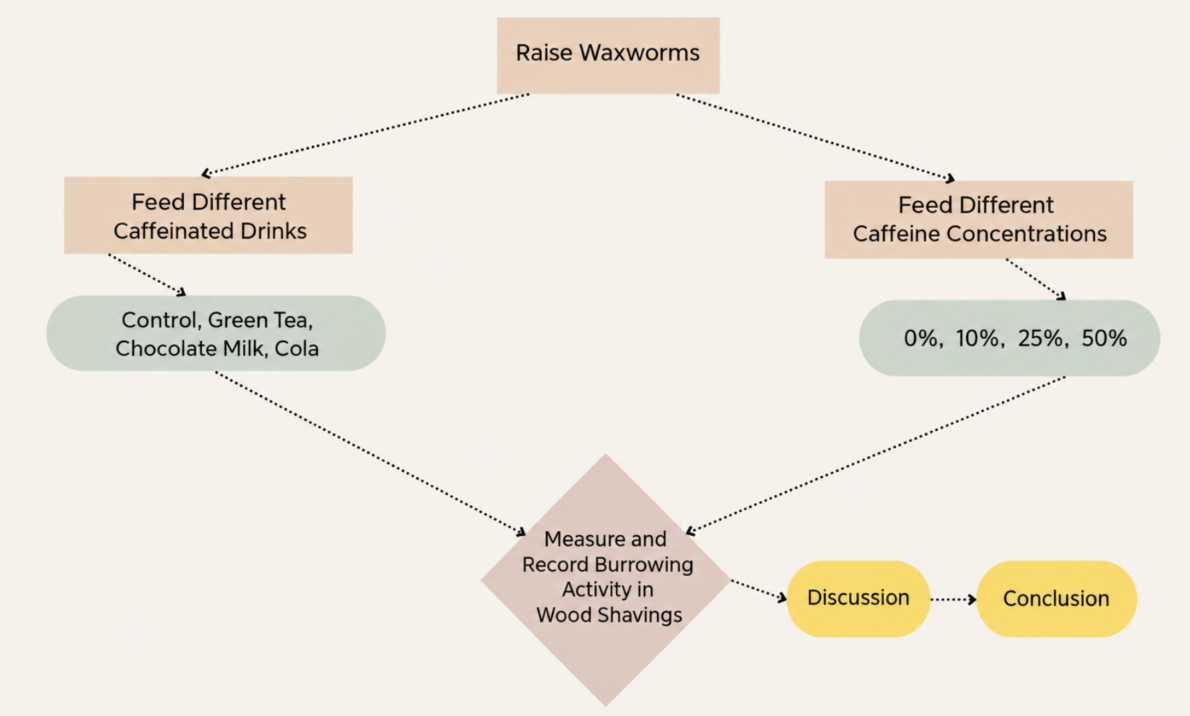
These questions inspired me to investigate caffeine’s effects using waxworm larvae (Galleria mellonella). I raised the larvae, mixed different caffeine concentrations and caffeinated drinks into their feed, and recorded changes in their burrowing behavior. Although their responses cannot directly explain caffeine’s effects on humans, the experiment gave me a way to explore the biological effects of something my classmates use every day.
Research Question
Does caffeine really deliver alertness, immediately and effectively?
Do different doses produce different effects?
Could long-term caffeine consumption harm the body?





waxworm biology
Understand the growth characteristics of the waxworm as a research organism
beverages & caffeine
Analyze the composition of common beverages and the properties of caffeine.
concentration
Observe how different caffeine concentrations affect waxworm activity
source
Record how different caffeine sources affect waxworm activity
Question guided the study
Literature review
-
Beyond its role as a common laboratory insect, the waxworm is a beehive pest. It develops through four stages — egg, larva, pupa, and moth — and a single female can lay about 1,600 eggs. Eggs hatch after roughly four days, and larvae reach maturity within a month of feeding (Townsend, 2013). Recent research found that waxworm saliva can oxidize and depolymerize polyethylene, and two enzymes identified in the saliva became the first animal enzymes shown to degrade plastic (Sanluis-Verdes et al., 2022). Females can also detect ultrasound emitted by males, whose acoustic properties relate to body length (Collins et al., 1999).
-
Caffeine is a natural alkaloid widespread in coffee, tea, and cocoa. It stimulates the central nervous system and sympathetic activity, accelerating energy expenditure and fat oxidation (Dulloo et al., 1999). By inhibiting phosphodiesterase, caffeine raises intracellular cAMP and activates hormone-sensitive lipase, promoting fat mobilization (Acheson et al., 1980). Animal studies further suggest protective effects against high-fat-diet obesity and fatty liver (Nogueira et al., 2011), and caffeine's antioxidant properties can reduce lipid peroxidation and boost antioxidant capacity in the liver and plasma (Ranheim & Halvorsen, 2005).
-
Green tea is rich in catechins, tea polyphenols, and caffeine. Its principal catechin, EGCG, shows strong antioxidant and anti-inflammatory action, linked to cardiovascular protection and cancer prevention (Cai et al., 2018). Green tea intake is also associated with weight control and enhanced fat metabolism, possibly by modulating energy expenditure and lipid breakdown (Huang & Cheng, 2020). Benefits vary between individuals, however, and excessive intake may burden the liver or impair iron absorption (Guo et al., 2019).
-
Chocolate milk combines milk with cocoa: the milk supplies protein and calcium for bone and muscle health, while cocoa polyphenols act as antioxidants and may lower cardiovascular risk (Katz et al., 2011). Its added sugars, however, are linked to obesity and dental caries in children when overconsumed (Frary & Johnson, 2002). Its carbohydrate-to-protein ratio makes it an effective post-exercise recovery drink (Pritchett & Pritchett, 2012), and it carries a small amount of caffeine from cocoa — about 5 mg per 237 ml.
-
Cola is a carbonated drink built on carbonated water, sugars or high-fructose corn syrup, caffeine, phosphoric acid, and caramel coloring. Its high sugar content is closely tied to obesity and metabolic syndrome, while its caffeine boosts attention and short-term alertness but can cause palpitations and dependence (Nawrot et al., 2010). Phosphoric acid adds tartness and shelf life but may affect calcium absorption when consumed heavily (Zahra & Shoaib). Caramel coloring can generate 4-MEI during production, a compound classified by IARC as a possible carcinogen (IARC, 2012).
Methodoloy

Material
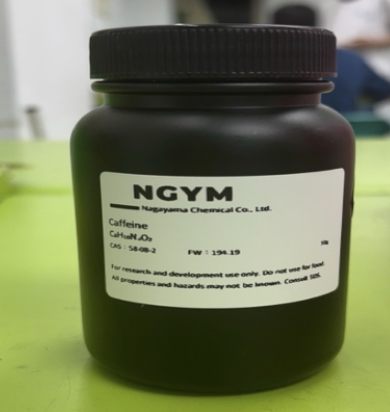
Caffeine Powder (C₈H₁₀N₄O₂)
Used to prepare feed with different caffeine concentrations and control the amount of caffeine consumed by the waxworms. Caffeine served as the main treatment variable in the concentration experiment.

Caffeine-Containing Beverages (Green Tea, Chocolate Milk, and Coca-Cola)
Used as treatments to compare the effects of different caffeine sources on waxworm activity.
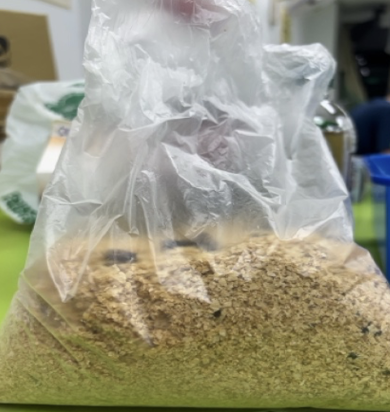
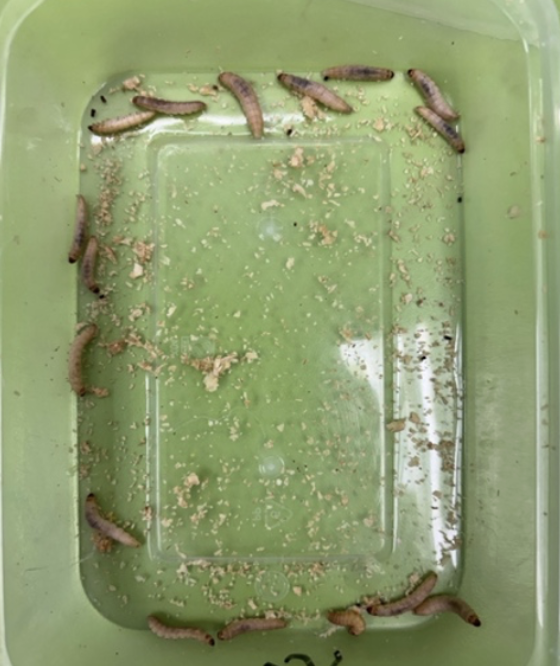
Bedding Material
Placed at the bottom of the plastic cups to provide a burrowing environment that simulated the waxworms’ natural habitat and allowed repeated measurements of burrowing depth.
Waxworms
Used as the experimental subjects. Their burrowing behavior was observed under different caffeine concentrations and sources to evaluate the effects of caffeine on their activity.
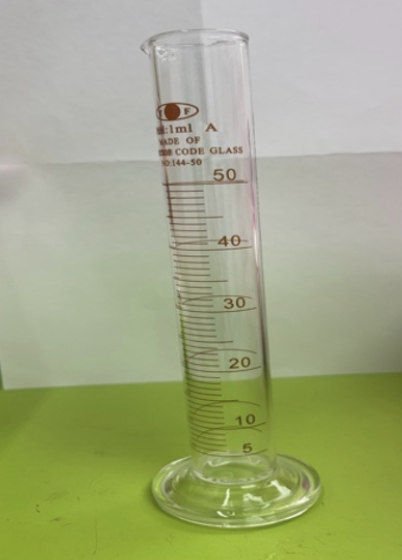

Graduated Cylinder
Used to accurately measure concentrated caffeine solutions or beverages, ensuring that each treatment group received the same amount of caffeine.
Plastic Cups
Used as feeding and observation containers. The cups separated the waxworms into groups, controlled their experimental environment, and allowed measurements of burrowing depth.
Step
1.sample selection
Larvae of similar size, healthy appearance, and normal activity
Ten larvae per experimental group
3.Activity assay — burrowing depth
On day 7, each larva was placed in a transparent cylinder filled with sawdust to a fixed height
After 30 minutes, the depth of the larva's head below the surface was observed from the side and recorded, aided by photography
2. housing condition
Transparent, ventilated rearing containers
Room temperature held constant, identical light cycle across groups
4.Date processing
Average burrowing depth and survival rate compared across caffeine groups
Results used to quantify caffeine's effect on activity
Analyze Method
Sawdust Burrowing Depth Test
In this experiment, the sawdust burrowing depth test was used to evaluate waxworm activity. First, dry, uniform sawdust was added to a transparent measuring container to a fixed height and gently compacted to maintain a consistent substrate density. Next, a single waxworm was placed on the sawdust surface, and a timer was started to observe its burrowing behavior. At fixed time points, the depth of the waxworm’s head below the sawdust surface was measured and recorded by viewing the container from the side. By comparing the average burrowing depths across groups, waxworm activity under different conditions could be quantified and analyzed.
Results
More Caffeine, Less Movement
-
SLIGHT DECLINE
Most individuals still burrowed into the sawdust. Depth and speed fell only slightly below untreated levels; overall activity dipped mildly.
-
MARKED DECLINE
Burrowing depth and speed dropped noticeably. Some individuals delayed their entry or paused briefly before continuing.
-
SEVERE SUPPRESSION
Activity fell sharply. Many individuals failed to burrow or were markedly delayed, with the widest variation between individuals — some motionless, some barely moving.
Green tea>Chocolate Mile>Cola
-
HIGHEST ACTIVITY
Most individuals burrowed smoothly and deeply, with only occasional delays — the best overall activity of the three beverages.
-
MODERATE ACTIVITY
Depth and speed fell below the green tea group; some individuals stalled briefly or burrowed only near the surface.
-
LOWEST ACTIVITY
Many individuals barely entered the sawdust or failed to burrow at all, with frequent delays and long periods of immobility.
Conclusion
A Visible Model Organism
The waxworm's biology — four life stages and a single female laying around 1,600 eggs — provides a stable supply of experimental subjects (Townsend, 2013), and its sensitivity to environmental stimuli, including plastic-degrading enzymes in its saliva (Sanluis-Verdes et al., 2022), makes it a promising model. The burrowing assay confirmed clear behavioral differences between treatment groups.
THE EFFECT IS DOSE-DEPENDENT
Low concentrations had limited impact, while high concentrations significantly suppressed activity — likely through overstimulation of the nervous system and reduced motor coordination. Even a simple insect responds to dosage changes, suggesting caffeine's biological activity is broadly conserved across species.
THE BEVERAGE MATRIX MATTERS
Activity ranked green tea > chocolate milk > cola. Green tea's catechins and polyphenols may act synergistically (Cai et al., 2018); chocolate milk's sugars and protein supply energy beyond caffeine alone (Pritchett & Pritchett, 2012); cola's sugars and phosphoric acid made activity unstable (Nawrot et al., 2010; IARC, 2012). Compounds act together with caffeine, not separately.
CAFFEINE IS A REAL BEHAVIOR MODULATOR
Consistent with the literature on central nervous system stimulation and cAMP-mediated fat mobilization (Dulloo et al., 1999; Acheson et al., 1980), caffeine measurably altered waxworm activity — supporting caffeine's role as a behavior-regulating factor whose magnitude depends on its source.
Townsend, L. (2013). Rearing Waxworms. University of Kentucky Department of Entomology.
Sanluis-Verdes, A., Colomer-Vidal, P., et al. (2022). Wax worm saliva and the enzymes therein are the key to polyethylene degradation by Galleria mellonella. Nature Communications.
Collins, R. & Jang, Y., et al. (1999). Quantitative genetics of ultrasonic advertisement signalling in the lesser waxmoth Achroia grisella. Heredity, 83, 644–651.
Dulloo, A. & Duret, C., et al. (1999). Efficacy of a green tea extract rich in catechin polyphenols and caffeine in increasing 24-h energy expenditure and fat oxidation in humans. National Library of Medicine, 1040–5.
Acheson, K. & Zahorska, B., et al. (1980). Caffeine and coffee: their influence on metabolic rate and substrate utilization in normal weight and obese individuals. National Library of Medicine, 989–87.
Nogueira, L. & Ramirez-Sanchez, I., et al. (2011). Epicatechin enhances fatigue resistance and oxidative capacity in mouse muscle. National Library of Medicine.
Ranheim, T. & Halvorsen, B. (2005). Coffee consumption and human health — beneficial or detrimental? National Library of Medicine, 274–84.
Greenwalt, C. J. & Steinkraus, K. H., et al. (2000). Kombucha, the fermented tea: microbiology, composition, and claimed health effects. National Library of Medicine, 976–81.
Yilmaz, Y. (2005). Health-promoting effects of black tea: a narrative review of clinical trials. National Library of Medicine.
Sources Cited
10. UCLA Health (2022). 6 health benefits of drinking black tea.
11. Nawrot, P. & Jordan, S., et al. (2001). Effects of caffeine on human health. Taylor & Francis Online, 1–30.
12.Cai, Z.-Y. & Li, X.-M., et al. (2018). Bioavailability of tea catechins and its improvement.
13.Huang, H.-T., Cheng, T.-L., Lin, S.-Y., et al. (2020). Osteoprotective roles of green tea catechins. MDPI, 23(9), 2346.
14.Guo, T. & Song, D., et al. (2019). Interactions of tea catechins with intestinal microbiota and their implication for human health. National Library of Medicine, 1617–25.
15.BMJ (2011). Chocolate consumption and cardiometabolic disorders: systematic review and meta-analysis. BMJ, 343, d4488.
16.Frary, C. & Johnson, R., et al. (2002). The nutritional consequences of flavored-milk consumption by school-aged children and adolescents in the United States. Journal of the Academy of Nutrition and Dietetics, 853–6.
17.Pritchett, K. & Pritchett, R. (2012). Chocolate milk: a post-exercise recovery beverage for endurance sports. Karger, Medicine and Sport Science.
18.Bint, E. Z. & Saniha, S., et al. (2019). An overview of effects of carbonated drinks. National Journal of Health Sciences, 80–4.